

Why the Constructional Approach Changes Everything in Positive Behaviour Support
When people hear the words behaviour support, they often think about reducing challenging behaviour. It’s understandable – behaviours of concern or behaviours of harm are usually what bring people to seeking behaviour support in the first place.
But what if the real goal isn’t simply to reduce behaviour? What if it’s to maintain and enhance the quality of life? Or to strengthen relationships and dignity? What if it’s about empowerment?
This idea sits at the heart of the Constructional Approach, first introduced by Israel Goldiamond (1974). Goldiamond argued that lasting change doesn’t come from simply stopping unwanted behaviour. Instead, it comes from creating environments where people have more opportunities, more choices, and more successful ways of getting their needs met.
That one shift in thinking changes almost everything.
Instead of asking, “How do we stop this behaviour?” we begin asking, “What do we want to help this person achieve?”
For a participant, that might mean making friends, learning to communicate wants and needs, becoming more independent, finding desirable work, joining community activities, or simply feeling safer and happier in everyday life.
For families, it might mean having calmer mornings, enjoying meals together again, feeling confident to go out into the community, or knowing that their loved one is surrounded by people who genuinely understand them.
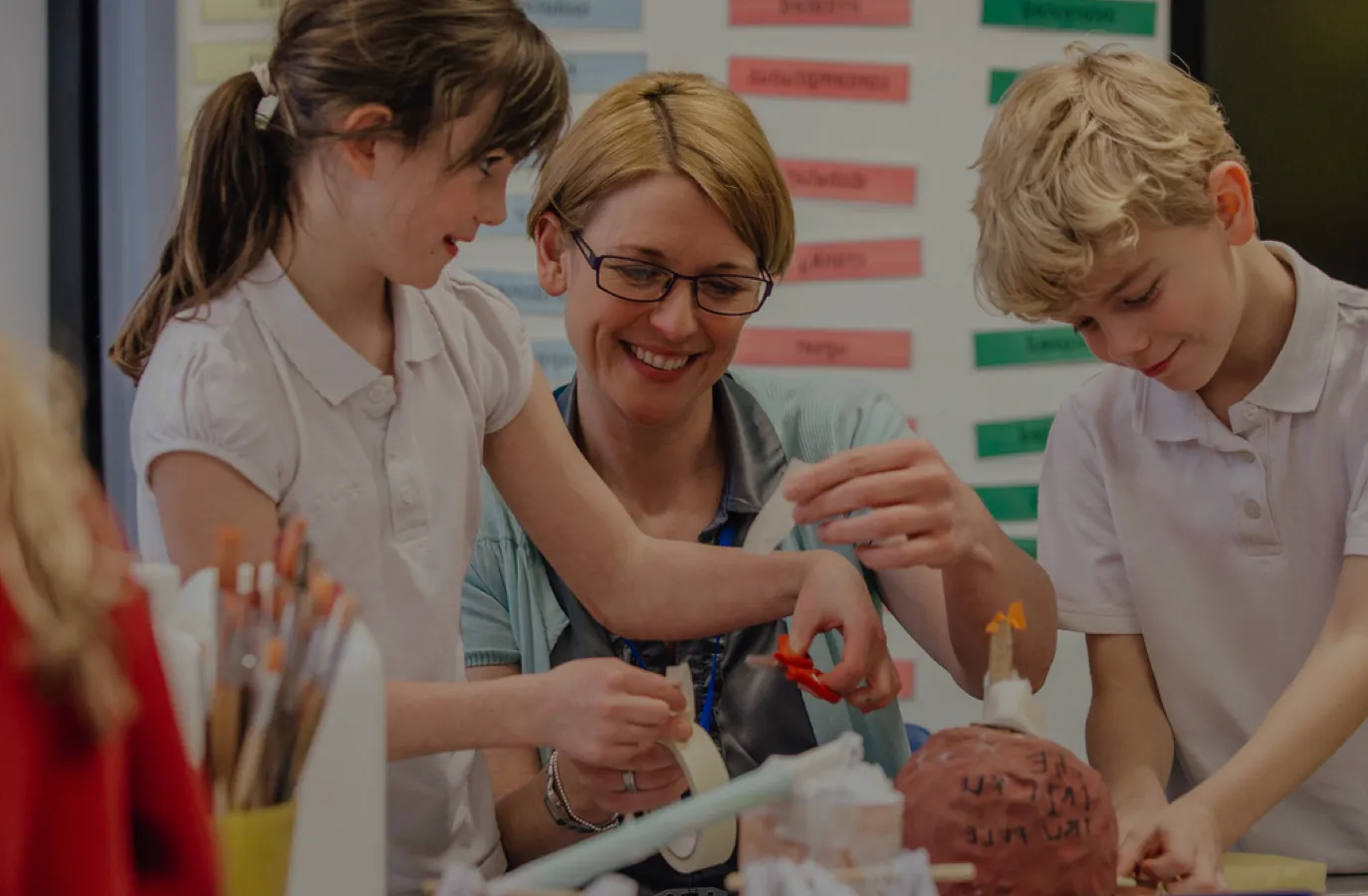
For support workers, it means looking beyond crisis management. Every interaction becomes an opportunity to teach a new skill, build trust, offer meaningful choices, or create positive experiences—not just “get through the shift.”
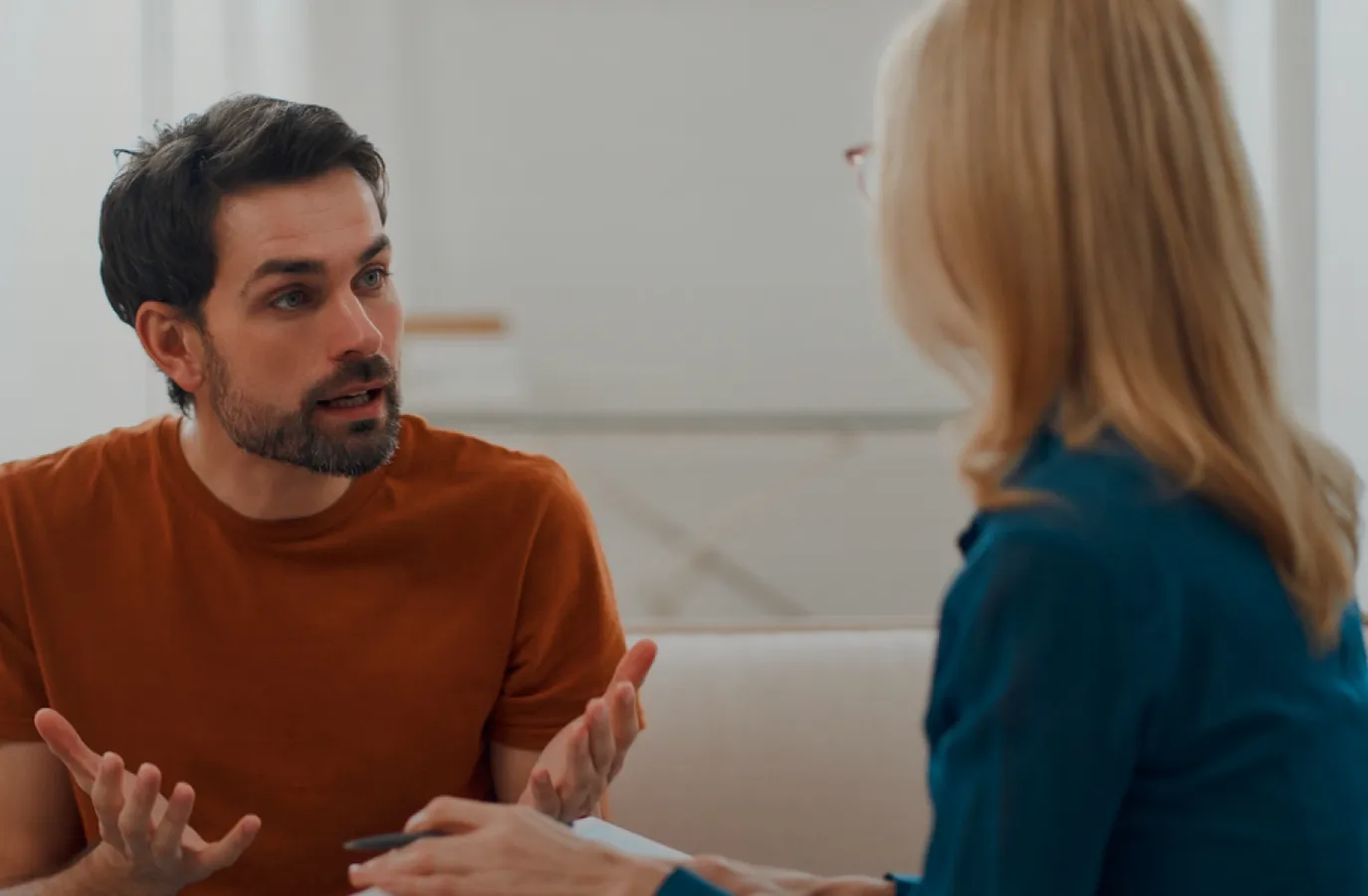
For allied health professionals, it encourages collaboration. Occupational therapists, speech pathologists, psychologists, physiotherapists, behaviour support practitioners, teachers and medical professionals each bring different expertise, but they all share the same ultimate goal: helping the person participate more fully in the life they want.
The beauty of the constructional approach is that it reminds us that behaviour never exists in isolation.
Every behaviour serves a purpose. It tells us something about the person’s environment, communication, learning history, or current needs. If we only focus on stopping behaviour without understanding why it happens, we risk taking away one of the person’s ways of communicating before we’ve helped them develop another.
Instead, the constructional approach asks us to build something better. To teach communication. To create opportunities for success. To increase independence. To strengthen relationships. To adapt environments. To celebrate strengths. To support meaningful participation.
When we focus on building these things, reductions in behaviours of concern often follow naturally—not because someone has been controlled, but because they now have more effective, rewarding and dignified ways of getting what they need.
This way of thinking also reflects the values of behaviour support and disability rights. It recognises that every person deserves more than simply being “managed.” Every person deserves opportunities to learn, make choices, contribute to their community, and experience a good quality of life.
Perhaps one of the most important lessons from Goldiamond’s work is that success isn’t measured by the absence of challenging behaviour. It’s measured by the presence of meaningful living.
Whether you’re a participant, family member, support worker, therapist, teacher or clinician, the question remains the same: Are we spending more time trying to stop behaviour, or are we spending more time building a life where that behaviour is no longer the person’s best option?
Reference
Goldiamond, I. (1974). Toward a constructional approach to social problems: Ethical and constitutional issues raised by applied behavior analysis. Behaviorism, 2(1), 1–84.
A special recognition to John Wooderson, whose supervision and mentorship first introduced me to the Constructional Approach.
– By Fiona Goh, Acting Director of Clinical Services (QLD)